India is moving toward a massive shift in how it powers its vehicles and industries. The AIDA Conclave 2026 is the central meeting point for this change. Taking place on 24th March 2026 at The Grand Hotel in New Delhi, this event brings together the brightest minds in the business. It focuses on how the country can move beyond current targets to create a stable and profitable future for everyone involved.
The gathering is supported by the Department of Food and Public Distribution. This means the people making the rules are in the same room as the people running the factories. It is a rare chance to see how ethanol policy india will evolve over the next decade. Instead of just talking about the past, the sessions look at what is coming next for fuel and spirits.
Why Ethanol Blending India Matters Now
The goal for ethanol blending india has always been about reducing oil imports and helping farmers. We are now reaching a point where the old ways of doing things need an upgrade. The conclave explores how to make the supply chain stronger so that every drop of fuel reaches the market without delay. This is not just about meeting a percentage but about building a system that lasts.
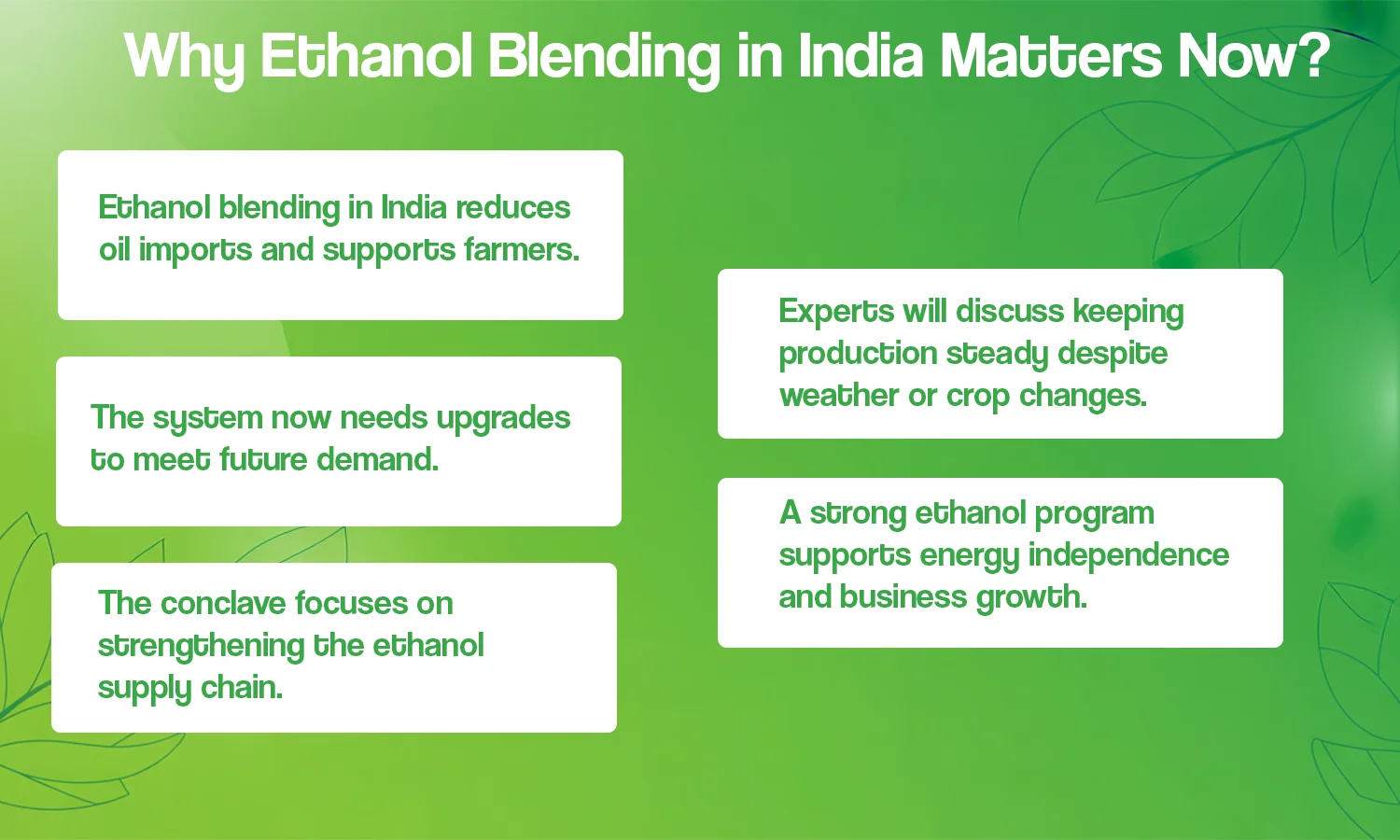
During the sessions, experts will talk about how to keep production steady even when weather or crops change. They want to make sure that ethanol blending in India stays on track regardless of outside pressures. This helps the entire country stay energy independent while giving distillers a clear path to grow their business.
Modernizing the Ethanol Plant
Running a successful ethanol plant today requires more than just basic machinery. The conclave highlights how new technology can make factories cleaner and faster. Owners can learn how to turn waste into valuable products like animal feed. This turns a standard ethanol plant into a center for innovation that makes money from every part of the grain or sugarcane.
Tracking Ethanol Production India
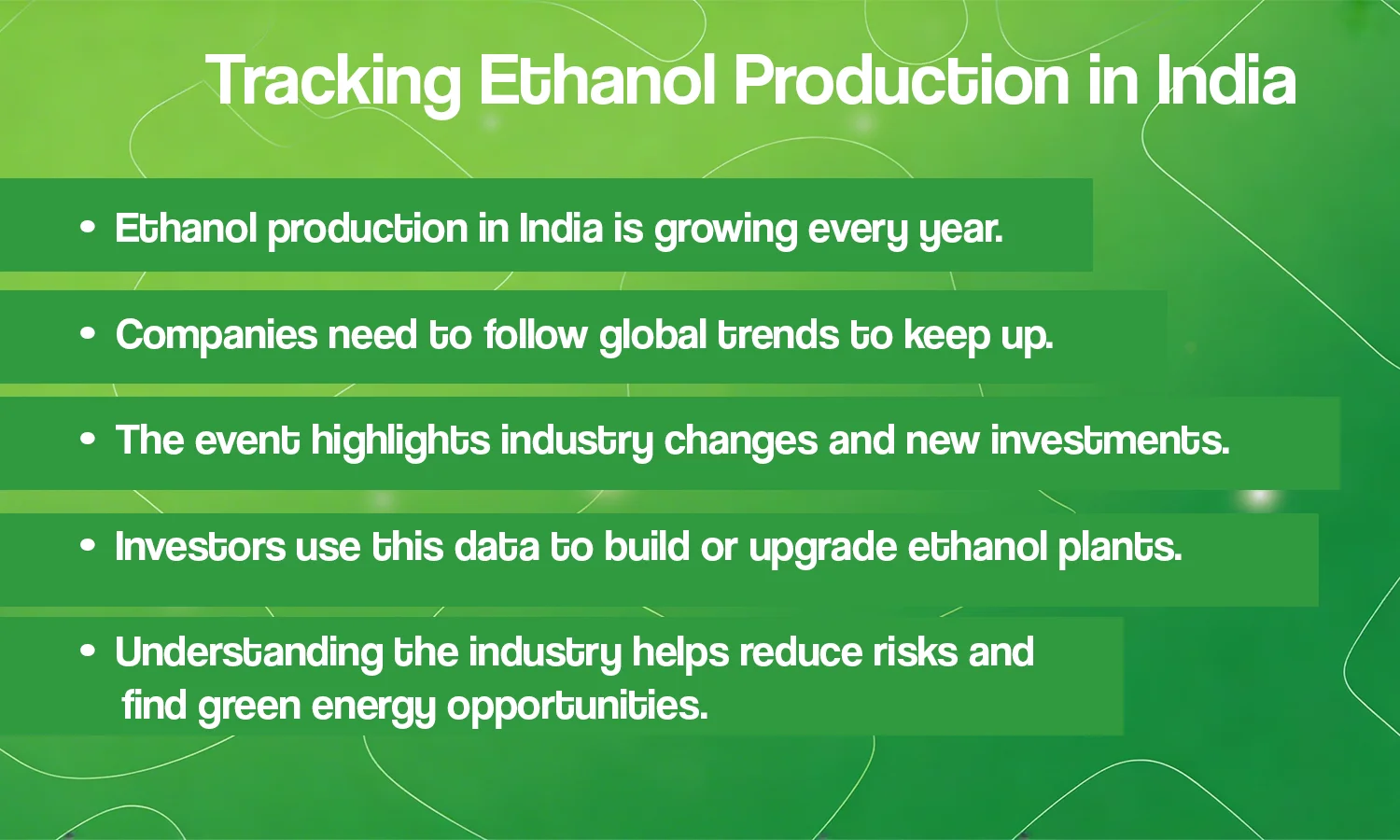
The scale of ethanol production india is growing every year. To keep up with this growth, companies need to understand the latest global trends. The event tracks these changes and provides a look at where the money is going. Investors and owners use this data to decide where to build new facilities or how to improve existing ones. Understanding the full picture of ethanol production india helps avoid risks and find new opportunities in the green energy space.
Key Takeaways
♦ The event happens on 24th March 2026 at The Grand Hotel in New Delhi.
♦ It provides a direct link between distillery owners and government regulators.
♦ Sessions cover everything from high-tech fermentation to new vehicle engines.
♦ Attendees get first-hand insights into the future of national fuel policies.
The Future of Bio-Energy
The AIDA Conclave 2026 is more than a meeting. It is a place where the industry finds its voice and sets its goals. By attending, you gain a deep understanding of how the market functions and where it is headed. It gives you the tools to stay ahead in a fast-changing world. You will leave with a clear plan for your business and a better connection to the leaders shaping the nation.
FAQ
What is the main focus of the AIDA Conclave 2026
The event focuses on the future of the distillery industry and the details of the ethanol policy in India. It covers new technologies, sustainability goals, and how the government and private sector can work together. Attendees will learn about the roadmap for the next ten years of bio-energy growth.
Who should attend the sessions on ethanol policy in India
Distillery owners, technology providers, and investors should attend to understand the latest ethanol policy in India. It is also vital for automotive leaders who need to know how fuel changes will affect engine designs. Anyone involved in the energy supply chain will find the policy discussions very useful.
How does the conclave help with ethanol policy india implementation
By bringing regulators and business owners together, the event helps clear up confusion about ethanol policy india. It allows for direct feedback on how rules affect daily operations at the factory level. This dialogue makes it easier for the government to create laws that actually work for the industry.